Our Blogs
Why Is Your Child Limping Physiotherapy After Fracture
2026-10-10 06:32:40
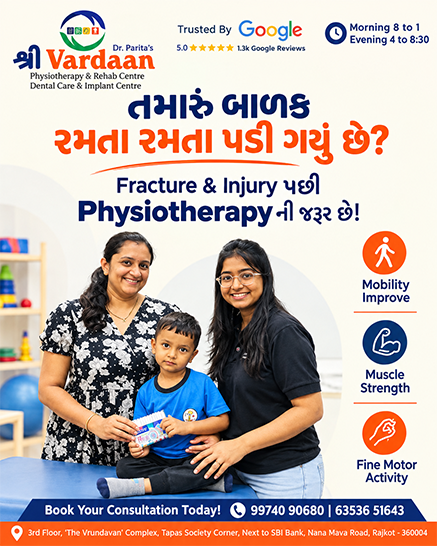
Seeing your child limp while walking can be worrying for any parent. Children are naturally active and enjoy running, jumping, playing sports, and exploring their surroundings. However, an injury, fracture, muscle strain, or another medical condition may affect their ability to walk normally.
After a fracture or leg injury, some children may experience stiffness, weakness, reduced movement, or difficulty returning to their usual activities. Physiotherapy after a fracture or injury may help children regain movement, rebuild strength, and return to age-appropriate activities when recommended by their healthcare team.
Understanding the cause of your child's limp is the first step towards choosing the right treatment.
Why Is Your Child Limping?
A limp means a child is walking differently than usual. They may avoid putting weight on one leg, walk unevenly, take shorter steps, or complain of pain while moving.
Common reasons include:
- Fractures: A broken bone can cause pain, swelling, and difficulty walking.
- Muscle strains and sprains:** Injuries to muscles, ligaments, or other soft tissues may affect movement.
- Foot injuries: Bruises, cuts, blisters, or other foot problems can make walking uncomfortable.
- Joint stiffness: Reduced movement following an injury or immobilization may affect walking.
- Other medical conditions: Some joint, bone, or inflammatory conditions can also cause limping.
A limp without an obvious injury should not be ignored. A healthcare professional can assess the cause and determine whether further tests or specialist care are needed.
When Should Parents Seek Medical Attention?
Before starting physiotherapy, it is important to understand why the child is limping.
Seek urgent medical assessment if your child:
- Suddenly develops severe hip, thigh, knee, or leg pain.
- Cannot put weight on the affected leg.
- Has a visibly deformed limb after an injury.
- Develops a fever and appears unwell.
- Experiences rapidly worsening pain or swelling.
A child with an unexplained or persistent limp should also be assessed by a healthcare professional. Do not force the child to walk or begin exercises before the cause has been evaluated.
Why Is Physiotherapy Important After a Fracture?
A fracture may require a cast, splint, or surgery, depending on its type and severity. Once the bone has healed sufficiently and the treating clinician approves rehabilitation, physiotherapy may help address problems that remain after immobilization.
1. Helps Restore Joint Movement
After wearing a cast or limiting movement for several weeks, a child may experience stiffness in the affected joint.
A physiotherapist can recommend age-appropriate mobility exercises when safe to help restore movement gradually.
2. Helps Rebuild Muscle Strength
Reduced activity during recovery can lead to muscle weakness. A personalized exercise program may help strengthen the muscles around the affected area and improve physical function.
3. Supports Walking and Balance
Some children may continue to walk unevenly after an injury has healed. With appropriate assessment and rehabilitation, physiotherapy can help them practise walking patterns, balance, and coordination.
4. Improves Flexibility
Gentle stretching and mobility exercises may help address stiffness when recommended for the child's injury and stage of recovery.
Exercises should never be forced through significant pain or performed against fracture-care instructions.
5. Helps Children Return to Daily Activities
Physiotherapy may support a gradual return to activities such as walking, climbing stairs, playing, and participating in sports.
The timing depends on bone healing, pain, strength, movement, and the treating clinician's advice.
Physiotherapy After Different Types of Injuries
The rehabilitation plan depends on the injury, the child's age, and the stage of healing.
After a leg fracture: Rehabilitation may focus on restoring movement, strength, balance, and walking after the treating clinician permits these activities.
After an ankle injury: Exercises may address ankle movement, balance, and strength when appropriate.
After a knee injury: Treatment may focus on movement, muscle control, and gradual functional recovery.
After a muscle strain: A healthcare professional may recommend a gradual return to movement and strengthening as symptoms improve.
Not every child needs formal physiotherapy after every injury. The need for rehabilitation should be assessed individually.
What Happens During a Child's Physiotherapy Session?
A pediatric physiotherapy session is adapted to the child's age, injury, comfort, and rehabilitation goals.
Depending on the situation, a session may include:
- Reviewing the child's injury and medical instructions.
- Assessing movement, strength, balance, and walking.
- Teaching appropriate exercises.
- Practising safe functional movements.
- Giving parents guidance for home activities.
- Monitoring progress and adjusting the exercise plan.
For children recovering from fractures, the physiotherapist should follow the treating clinician's restrictions on weight-bearing and movement.
How Can Parents Support Their Child's Recovery?
Parents play an important role in helping children follow their rehabilitation plan.
Here are some practical steps:
- Follow the treating clinician's instructions.
- Encourage exercises only when they have been approved.
- Avoid rushing the child back into sports or strenuous activity.
- Help the child follow the prescribed home exercise program.
- Monitor changes in pain, swelling, and movement.
- Attend recommended follow-up appointments.
- Contact the healthcare team if symptoms worsen or recovery is not progressing as expected.
Avoid comparing your child's recovery time with another child's experience. Each injury and recovery process is different.
How Long Does Recovery Take After a Fracture or Injury?
Recovery time depends on the type of fracture or injury, the child's age, the treatment required, and the healing progress.
Some injuries recover relatively quickly, while more complex fractures may require a longer period of treatment and rehabilitation.
A child should return to sports or strenuous activities only when cleared by the treating healthcare professional. Physiotherapy can support recovery, but it cannot replace proper fracture treatment or guarantee a particular recovery time.
Frequently Asked Questions
Why is my child still limping after a fracture?
A child may limp because of stiffness, weakness, discomfort, or changes in walking after immobilization. However, persistent limping should be reviewed by the treating healthcare professional to rule out ongoing problems.
Is physiotherapy necessary after every fracture?
No. The need for physiotherapy depends on the type of fracture, the treatment received, remaining stiffness or weakness, and the child's functional recovery.
When can a child start physiotherapy after a fracture?
The timing depends on the fracture and its treatment. Follow the treating clinician's advice before starting exercises, moving the affected area, or putting weight on the limb.
Can physiotherapy help a child walk normally again?
When appropriate, physiotherapy may help improve strength, movement, balance, and walking. Outcomes depend on the injury, healing, and the child's individual condition.
What should parents do if a child limps without an injury?
Arrange a medical assessment rather than assuming it is a minor problem. Seek urgent care if the child cannot bear weight, has severe pain, develops a fever, or appears unwell.
Conclusion
A child's limp after a fracture or injury can result from pain, stiffness, weakness, or other underlying problems. Identifying the cause and following appropriate medical advice are essential steps towards recovery.
When recommended by the healthcare team, physiotherapy after a fracture or injury can help children gradually restore movement, improve strength, practise balance, and return to everyday activities safely.
Parents should seek professional assessment for unexplained or persistent limping and follow the child's individualized recovery plan.
Medical disclaimer: This article is for general educational purposes only and is not a substitute for medical diagnosis or treatment. Seek professional medical advice for a child who is limping.

