Our Blogs
Left Shoulder Pain Causes Treatment Physiotherapy for Better Recovery
2026-10-08 07:01:46
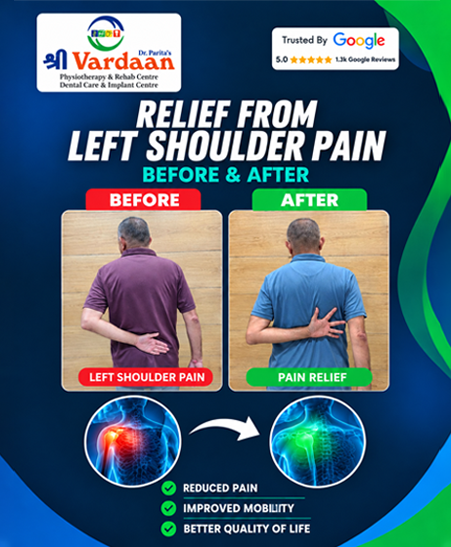
Left shoulder pain can affect simple daily activities such as lifting the arm, reaching overhead, dressing, sleeping or carrying objects. The pain may develop gradually because of overuse, muscle or tendon problems, or it may start suddenly after an injury.
Shoulder pain can have several possible causes, so the right treatment depends on the symptoms, movement limitations and underlying condition. Common causes include rotator cuff-related pain, bursitis, frozen shoulder, arthritis, shoulder instability and injuries.
Physiotherapy can play an important role in improving shoulder movement, strength and function when it is appropriate for the condition.
What Causes Left Shoulder Pain?
There are several possible causes of pain in the left shoulder.
1. Rotator Cuff Problems
The rotator cuff is a group of muscles and tendons that helps stabilize and move the shoulder.
Rotator cuff-related pain may become worse when:
• Raising the arm.
• Reaching overhead.
• Carrying objects.
• Sleeping on the painful side.
• Repeating shoulder movements.
Overuse, injury and gradual tendon changes can contribute to this type of shoulder pain.
2. Frozen Shoulder
Frozen shoulder can cause increasing stiffness and pain. People may find it difficult to:
• Raise the arm.
• Reach behind the back.
• Put on clothes.
• Reach overhead.
• Sleep comfortably.
The condition can progress through different stages, including painful, stiff and recovery phases.
3. Shoulder Bursitis
The shoulder contains small fluid-filled sacs called bursae that help reduce friction during movement.
Irritation of the bursa can cause pain, particularly during arm movement or when lying on the affected shoulder.
4. Muscle Strain or Injury
Shoulder pain can develop after:
• Lifting something heavy.
• Sudden movements.
• Exercise.
• Repetitive work.
• A fall or direct injury.
A sudden injury accompanied by significant weakness or difficulty moving the arm needs medical assessment.
5. Arthritis
Age-related joint changes or inflammatory arthritis can cause shoulder pain and stiffness.
Pain and stiffness that continue for months or years may require professional assessment to determine the cause.
6. Neck or Nerve-Related Pain
Not all pain felt around the shoulder originates in the shoulder joint itself.
Nerve irritation from the neck can sometimes cause pain that travels into the arm, along with tingling, numbness or weakness.
Common Symptoms of Left Shoulder Pain Depending on the cause, you may experience:
• Pain around the front, side or back of the shoulder.
• Pain extending toward the upper arm.
• Shoulder stiffness.
• Difficulty lifting the arm.
• Reduced range of motion.
• Arm weakness.
• Pain while sleeping.
• Difficulty reaching behind the back.
• Pain during overhead activities.
• Tingling or numbness in some cases.
Symptoms can vary from person to person, so a professional assessment may be needed when pain persists or affects normal activities.
Left Shoulder Pain Treatment
Treatment depends on the underlying cause and severity of the symptoms.
Activity Modification
Complete rest is generally not recommended for most uncomplicated shoulder pain. Reducing or modifying painful activities while continuing gentle movement can help maintain mobility.
Heat or Cold Therapy
Heat or cold packs may provide temporary symptom relief for some people. They should be protected with a towel rather than placed directly on the skin.
Medication
Depending on your health history and the cause of pain, a doctor or pharmacist may advise appropriate pain relief.Do not start or change medication without considering your individual health conditions and other medicines.
Physiotherapy
Physiotherapy can help assess shoulder movement and develop an exercise program aimed at improving:
• Mobility.
• Strength.
• Shoulder function.
• Movement patterns.
• Return to daily activities.
The specific exercises should depend on the person's condition rather than using the same routine for everyone.
Physiotherapy for Left Shoulder Pain A physiotherapist may first assess:
• Pain location.
• Shoulder range of motion.
• Muscle strength.
• Posture.
• Movement patterns.
• Neck and arm symptoms.
• Daily activities affected by pain.
Gentle Mobility Exercises
These exercises can help maintain or gradually improve shoulder movement.
Strengthening Exercises
Progressive strengthening can help improve shoulder and arm function when appropriate for the condition.
Rotator Cuff Exercises
When rotator cuff-related pain is diagnosed, a physiotherapist may prescribe specific strengthening and movement exercises.
Posture & Movement Education
A physiotherapist may also assess how you sit, work, sleep and move your shoulder during everyday activities.
Gradual Return to Activity
The aim is usually to gradually return to normal activities rather than avoiding shoulder movement indefinitely.
Exercises for Left Shoulder Pain
Some shoulder conditions respond well to gentle, progressive exercise, but the right exercise depends on the diagnosis.
Common physiotherapy exercise categories may include:
• Gentle range-of-motion exercises.
• Shoulder blade exercises.
• Isometric strengthening.
• Rotator cuff strengthening.
• Wall slides.
• Progressive resistance exercises.
Exercises should be performed within an appropriate range and progressed according to symptoms and professional guidance. If an exercise causes a significant increase in pain, stop and seek advice from a physiotherapist.
When Should You See a Physiotherapist?
Consider consulting a physiotherapist if:
• Shoulder pain is affecting your daily activities.
• Pain is disturbing your sleep.
• You have difficulty moving your arm.
• Your shoulder feels weak or stiff.
• Pain continues despite self-care.
• You have repeated episodes of shoulder pain.
• You want a structured rehabilitation program.
Physiotherapy can help identify movement limitations and provide an individualized exercise and rehabilitation plan.
When Is Left Shoulder Pain an Emergency?
Left shoulder or arm pain should not always be assumed to be a simple muscle or joint problem. Seek urgent medical attention if shoulder or arm pain occurs with:
• Chest pain or pressure.
• Difficulty breathing.
• Pain spreading toward the jaw.
• Severe weakness or sudden loss of power.
• Major injury or fall.
• A visibly deformed shoulder.
• Inability to move the arm after an injury.
• Severe swelling.
• A hot, red shoulder with fever.
• Sudden numbness or loss of sensation.
How Physiotherapy Can Support Better Recovery A structured physiotherapy program can help you:
• Improve shoulder mobility.
• Build shoulder strength.
• Reduce movement-related limitations.
• Improve confidence with movement.
• Return gradually to daily activities.
• Reduce the risk of ongoing stiffness and weakness.
The goal is not simply to reduce pain temporarily, but to improve movement, strength and function according to the individual's condition.
Tips for Managing Left Shoulder Pain
• Keep the shoulder gently moving when appropriate.
• Avoid activities that significantly increase your symptoms.
• Gradually return to normal activities.
• Avoid suddenly increasing heavy exercise.
• Maintain good posture while working.
• Support your arm comfortably while sleeping if needed.
• Follow a physiotherapist's exercise plan consistently.
• Seek professional advice if symptoms persist or worsen.
Conclusion
Left shoulder pain can have many causes, from muscle and tendon problems to frozen shoulder, arthritis, injury or referred pain from the neck.
The best treatment depends on the underlying cause. For many shoulder conditions, appropriate movement, progressive exercise and physiotherapy can support recovery and improve strength and function.
If your shoulder pain is severe, follows an injury, continues to worsen, or occurs with chest pain or breathing difficulty, seek medical assessment promptly.
Don't ignore persistent shoulder pain. Get the right assessment and follow a treatment plan designed for your condition.

